


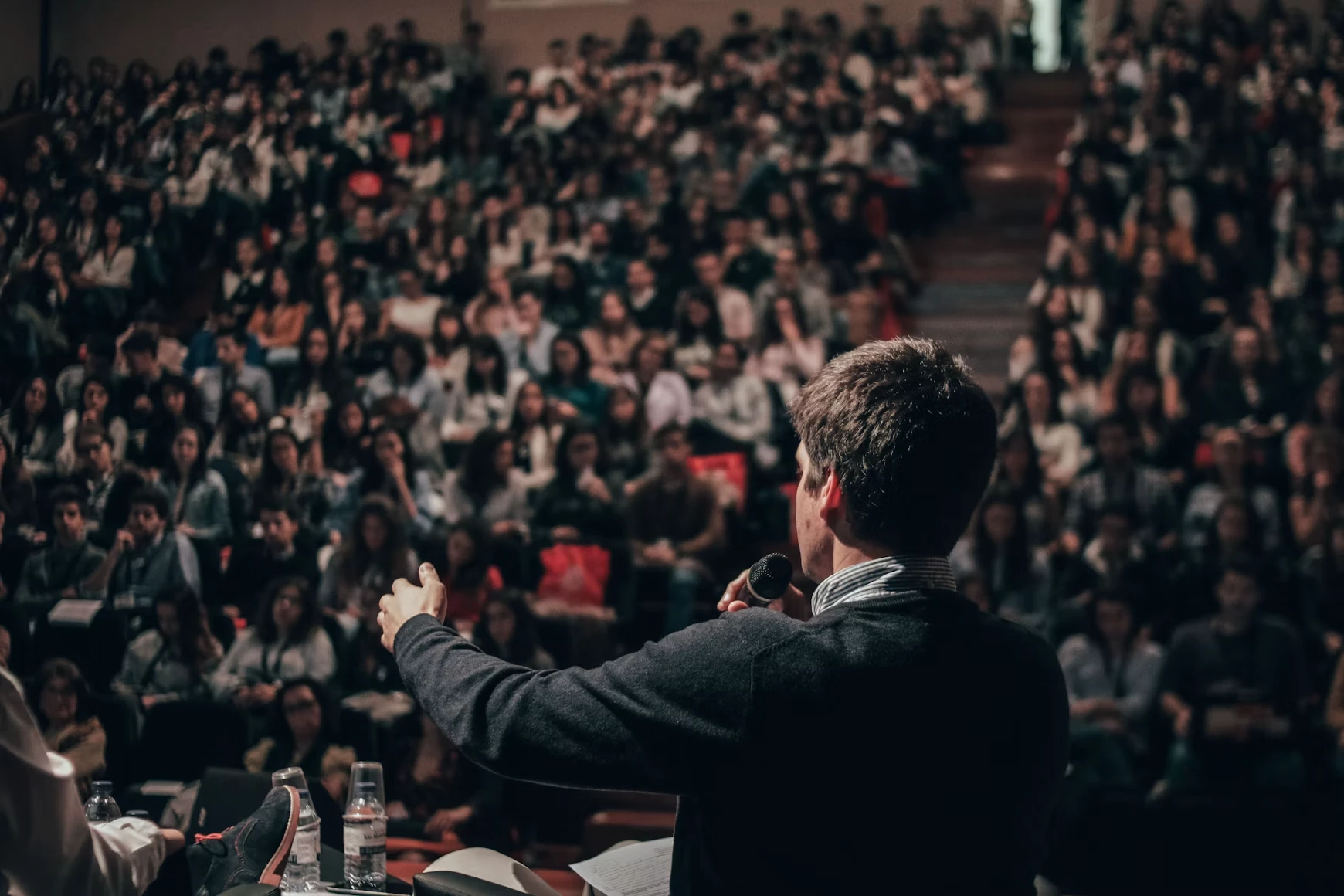
Antwerp, Belgium — July 08, 2026 — The 10th EuChemS Chemistry Congress (ECC10) will open in Antwerp, Belgium, on July 12, 2026. This biennial event, also known as European Chemical Sciences, runs until July 16, 2026. It gathers chemists, researchers, and industry professionals from across Europe.
Event Structure and Organization
The Royal Flemish Chemical Society (KVCV) hosts ECC10. KVCV works to advance chemical sciences in Flanders. The overarching European Chemical Society (EuChemS) represents approximately 140,000 chemists from 50 Member Societies. EuChemS provides a unified voice on chemistry policy. Medicongress serves as the official Organising Secretariat and Professional Congress Organiser (PCO) for ECC10. The congress began in Budapest in 2006.
Core Exhibit Sectors Drive Production
The congress features eight core exhibit sectors. Each sector focuses on specific operational areas in chemistry and manufacturing:
- Molecular Design & Reactivity: This sector covers molecule creation, structure, and transformation. It supports new chemical entity development.
- Chemistry Meets Biology & Food Science: This area explores chemical processes in biological systems. It applies to nutrition, food safety, and sustainable food production.
- Innovative Materials: This sector highlights advanced materials with enhanced properties. It includes smart materials, nanomaterials, and materials for energy and environmental uses.
- Catalyzing New Chemistry Solutions: This theme explores new catalytic processes and materials. It drives efficient, sustainable chemical reactions for industrial processes.
- Perspectives in Analytical & Physical Chemistry: This area covers techniques for identifying and quantifying substances. It also includes physical principles governing chemical phenomena.
- Energy, Environment & Sustainability: This sector focuses on chemical solutions for energy production and environmental remediation. It develops green chemistry practices.
- Computational Chemistry & AI: The Power of Data: This theme applies computational methods, modeling, and artificial intelligence. It enables predictions and complex data analysis.
- Responsible Chemistry for Society: Education, Ethics, History & Cultural Heritage: This sector examines chemistry's societal impact. It includes education, ethics, and cultural heritage preservation.
Program Highlights and Audience Focus
The ECC10 scientific program will feature world-leading plenary speakers and invited speakers. Prof. Javier Garcia-Martinez leads the ECC10 Scientific Committee. The event will also celebrate the Chemistry Europe Fellows Class 2024/2025. The congress targets chemists, researchers, and policy-makers. It also supports students and early-career researchers.
For more details or to register, visit https://euchems2026.eu/.